Table of Contents
Queer Belonging in NYC
Mental Health & Disconnection
Challenges for Queer People of Color
Clarifying Values and Interests
Authenticity, Community, and Support
When I moved to New York, I expected a queer community waiting with open arms to usher me into the city. I was overwhelmed by the seemingly endless options right outside my door. But as I started to explore these spaces, I felt like I couldn’t connect and instead of community I found a pervasive feeling that I didn’t fit in. I was overwhelmed with a sense of panic and questioned if I was doing something wrong. Do I not like the right things? Do I not dress the right way? Am I not queer enough?
It took me working through a lot of anxiety to understand what I really wanted, and was scared I wouldn’t find a sense of belonging.
Expansive Therapy has immediate openings for LGBTQ Therapy in New York. Reach out today for a free consult.
Belonging and Mental Health
Belonging is the sense that you are a part of a social group that makes you feel safe, supported, and seen. Something many queer people unfortunately grow up without, and continue to navigate throughout life. So many experiences could contribute to feeling a consistent lack of belonging for queer people. Whether it’s because of past experiences with social rejection, the need to conceal parts of our identity for safety, or the general impact of being exposed to heterosexism in daily life, it can feel like we have to come to terms with only parts of us being accepted.
Even in places like New York City that are seen as safer for LGBTQ+ people, individuals struggle to find spaces where they feel connected to the community. For queer people of color, the problem is magnified by holding multiple marginalized identities. Queer spaces may not feel racially inclusive while communities of color may not feel queer-friendly.
A lack of belonging doesn’t just result in hurt feelings; there are real mental health consequences when individuals experience disconnection. Meaningful social engagement helps to buffer against challenges like depression, anxiety, and isolation all while contributing to improved overall well-being.
Want more content like this?
Join our mailing list
Expansive Therapy has immediate openings for LGBTQ Therapy in New York. Reach out today for a free consult.
4 Tips for Increasing Your Sense of Belonging
Finding belonging isn’t easy, especially if you’re not sure how to start, but there are steps we can take to increase our sense of belonging and begin to find spaces that feel like a home. Here are some things to try.
Clarify your Values
Values are personal beliefs about what’s important and can help guide us to people and places that feel right. Consider what values you hold close to determine the type of spaces that may create a sense of belonging. For example, someone who holds equity and justice highly, may find a meaningful experience at LGBTQ+ community service events.
Lean into your interests, then make it queer.
While queerness is a part of our identity, many other hobbies and activities make us who we are as well. Look into your different areas of interest to find out if there are LGBTQ+ spaces in that area that are suited to you and allow you to practice self-exploration and self-compassion.
Connect to your history and culture.
As queer people of color, it can feel hard to find people who share your racial/ethnic identity and sexuality, which can contribute to feeling less belonging. Queer people of color have always existed despite the limited visibility we are afforded. Take time to explore how queer people of color have integrated different parts of their identity throughout history. Learning about all the possible ways of embracing our positionality can help us to feel a greater sense of belonging in the LGBTQ+ community at large.
Don't idealize belonging.
We look for ideas about how to live all around us and in our digital age it’s easy to see media that portrays images of people who seem to fit right in and get along with everyone. There is a temptation to think that maybe if we behave a certain way or try to fit into certain molds, that could be us too. But conforming to belong, isn’t belonging at all. Queerness means rejecting norms, and embracing it lends itself to authenticity, mindfulness, and true connection.
Navigating different spaces and communities as a queer person can be challenging, but therapy can help you explore yourself and identity more to better understand the types of spaces where you may feel you belong.
Therapy for Internal Belonging
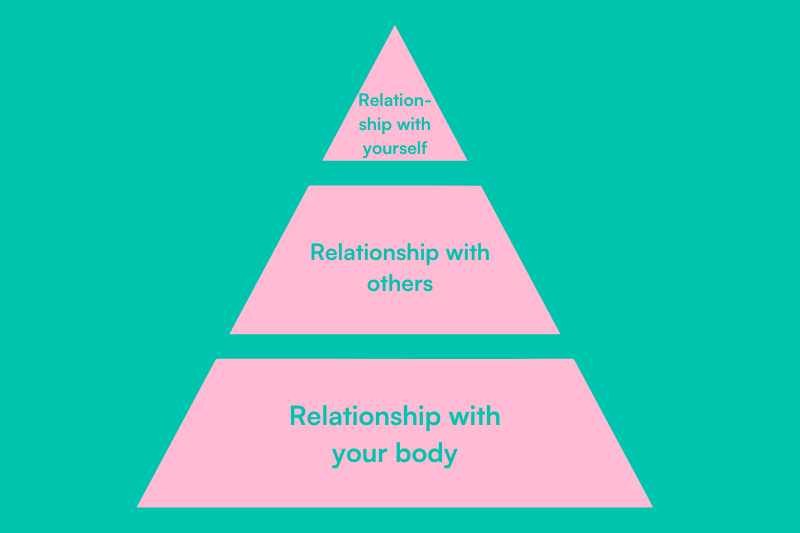
Sometimes in order to connect with others, we first need to improve our relationship with ourselves. Our therapists understand the queer experience and create a safe space for healing and growth.
Expansive Therapy has immediate openings for LGBTQ Therapy in New York.
Reach out today for a free consult.
Expansive Therapy has immediate openings for LGBTQ Therapy in New York. Reach out today for a free consult.
4 Tips for Increasing Your Sense of Belonging
Finding belonging isn’t easy, especially if you’re not sure how to start, but there are steps we can take to increase our sense of belonging and begin to find spaces that feel like a home. Here are some things to try.
Clarify your Values
Values are personal beliefs about what’s important and can help guide us to people and places that feel right. Consider what values you hold close to determine the type of spaces that may create a sense of belonging. For example, someone who holds equity and justice highly, may find a meaningful experience at LGBTQ+ community service events.
Lean into your interests, then make it queer.
While queerness is a part of our identity, many other hobbies and activities make us who we are as well. Look into your different areas of interest to find out if there are LGBTQ+ spaces in that area that are suited to you and allow you to practice self-exploration and self-compassion.
Connect to your history and culture.
As queer people of color, it can feel hard to find people who share your racial/ethnic identity and sexuality, which can contribute to feeling less belonging. Queer people of color have always existed despite the limited visibility we are afforded. Take time to explore how queer people of color have integrated different parts of their identity throughout history. Learning about all the possible ways of embracing our positionality can help us to feel a greater sense of belonging in the LGBTQ+ community at large.
Don't idealize belonging.
We look for ideas about how to live all around us and in our digital age it’s easy to see media that portrays images of people who seem to fit right in and get along with everyone. There is a temptation to think that maybe if we behave a certain way or try to fit into certain molds, that could be us too. But conforming to belong, isn’t belonging at all. Queerness means rejecting norms, and embracing it lends itself to authenticity, mindfulness, and true connection.
Navigating different spaces and communities as a queer person can be challenging, but therapy can help you explore yourself and identity more to better understand the types of spaces where you may feel you belong.
Therapy for Internal Belonging
Sometimes in order to connect with others, we first need to improve our relationship with ourselves. Our therapists understand the queer experience and create a safe space for healing and growth.
Expansive Therapy has immediate openings for LGBTQ Therapy in New York.
Reach out today for a free consult.
Want more content like this?
Join our mailing list
Want more content like this?
Join our mailing list
Want more content like this?
Join our mailing list
Book Your Intro Session With A Therapist